Growth Mindset vs. Fixed Mindset
https://www.youtube.com/watch?v=KUWn_TJTrnU
Speaking
1.There are two types of mindset we can cultivate: one that embraces problems as opportunities to learn,and one that avoids them often out of fear to fail.

Vocabulary & idiom
1. cultivate [v]
to prepare land and grow crops on it, or to grow a particular crop
→The villagers cultivate mostly maize and beans.
to try to develop and improve something
→She has cultivated an image as a tough negotiator.
1.5 embrace [v]
uk /ɪmˈbreɪs/
us /ɪmˈbreɪs/
 攝影師:Andrea Piacquadio,連結:Pexels
2. vaulting horse
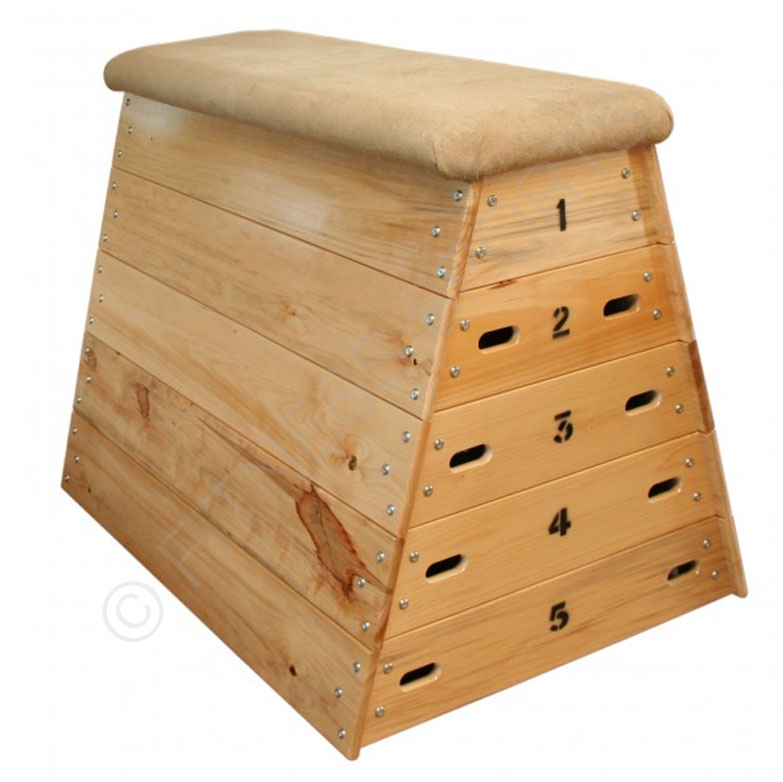 https://www.fitness-sports.co.uk/gymnasium-equipment/GYMNASIUMEQUIPMENT-vaultingbox.html
3. criticism
US /ˈkrɪtɪˌsɪzəm/
UK /ˈkrɪtɪsɪzəm/
4.assess [v]
us/əˈses/
to judge or decide the amount, value, quality, or importance of something
→The insurers will need to assess the flood damage.
5. obstacle
uk /ˈɒb.stə.kəl/
us /ˈɑːb.stə.kəl/
Note
People that avoid conflicts can be described as having a fixed mindset ;
those who see problems as interesting challenges have a growth mindset.
Sometimes we like to switch from one to the other.
People have a fixed mindset because they believe the basic qualities like intelligence or talents are fixed traits,
and that these traits are responsible for success.
They often like to document past achievements.
With a growth mindset, people believe that new abilities can be developed through practice.
This view creates the love for learning the most great leaders and artists have in common.
For them life becomes an exciting journey with endless opportunity to figure out new things and advance.
Nurture is more important than nature.
Ever tried,
ever failed,
no matter.
Try again,
fail again,
fail better.

請先 登入 以發表留言。